
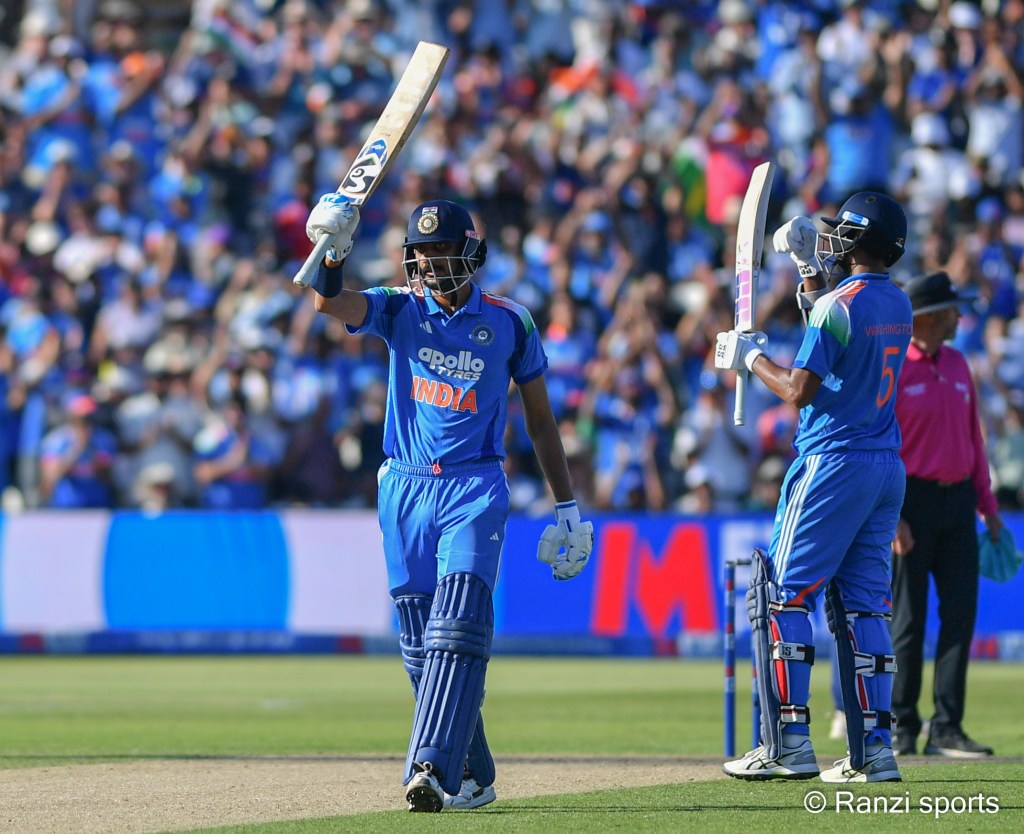
Edgbaston has often been a happy hunting ground for England, but on a warm July evening in Birmingham, India produced a disciplined, all-round performance to win the 1st ODI by six wickets with 28 balls to spare. In a match where moments rather than long dominance decided the outcome, India’s bowlers created the openings, and their middle order finished the job with composure. The result gives India a 1–0 lead in the three-match series and, more importantly, a blueprint for how to beat England in their own backyard.
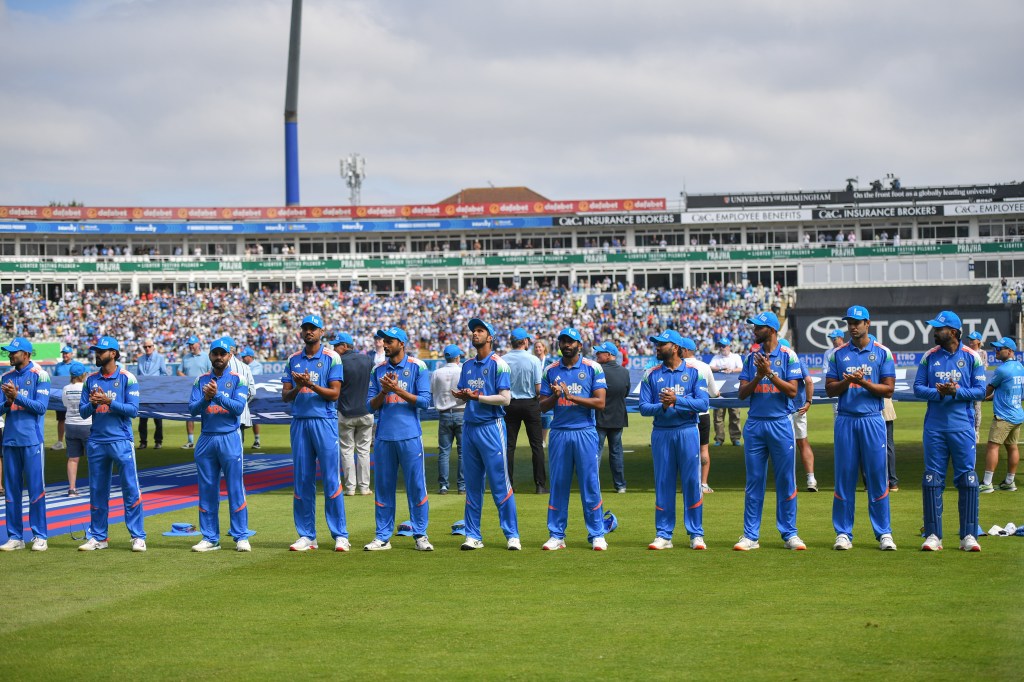
England, batting first, looked in control early on. Ben Duckett and Jacob Bethell raced through the powerplay, taking the score to 51 without loss in the first 10 overs.
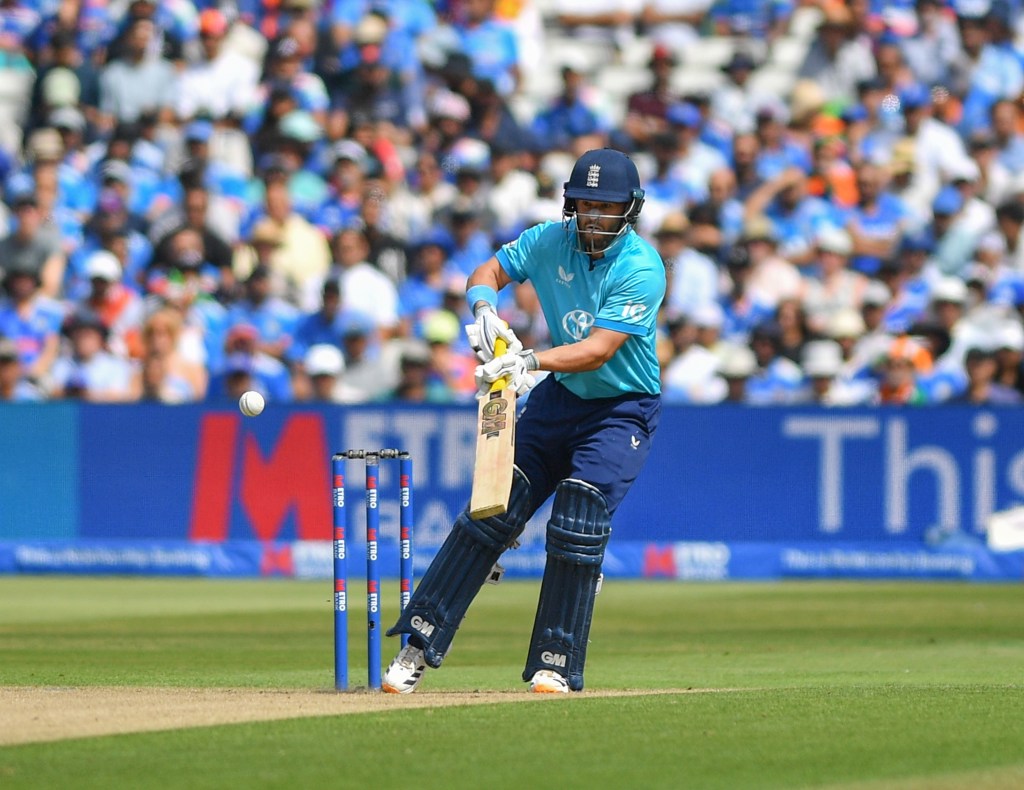
Duckett, in particular, was fluent, hitting boundaries with ease and putting India under early pressure. But the game turned in a decisive six-ball spell around the 13th over.
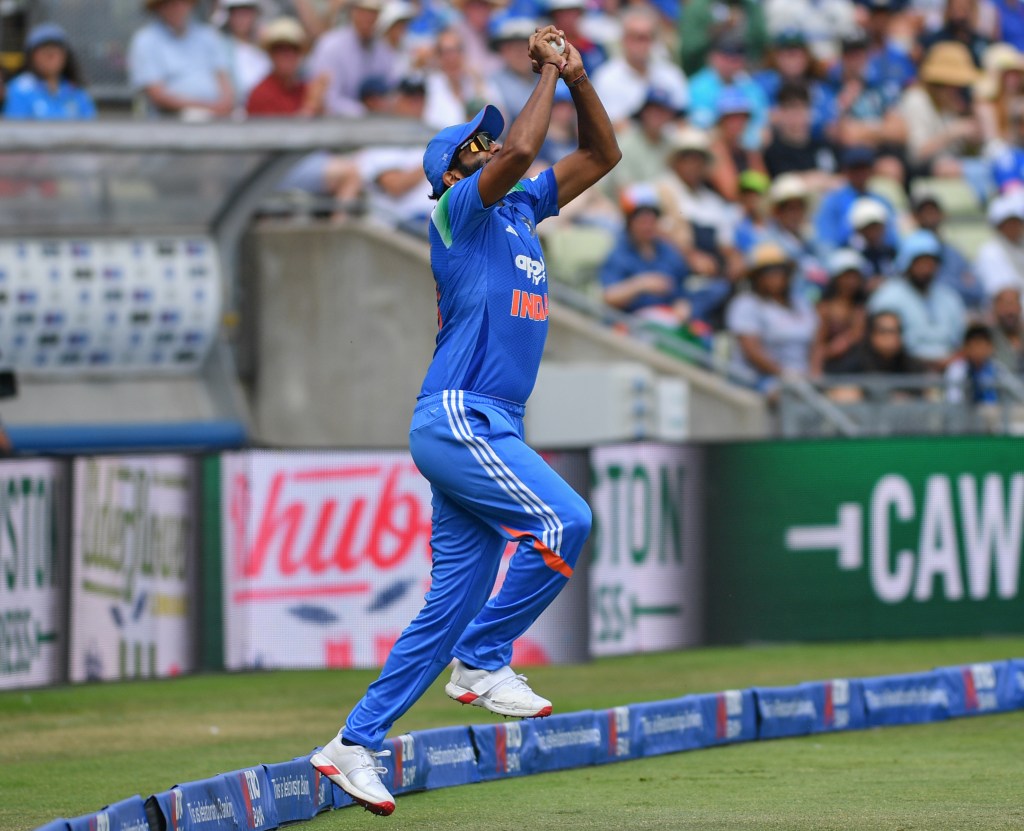
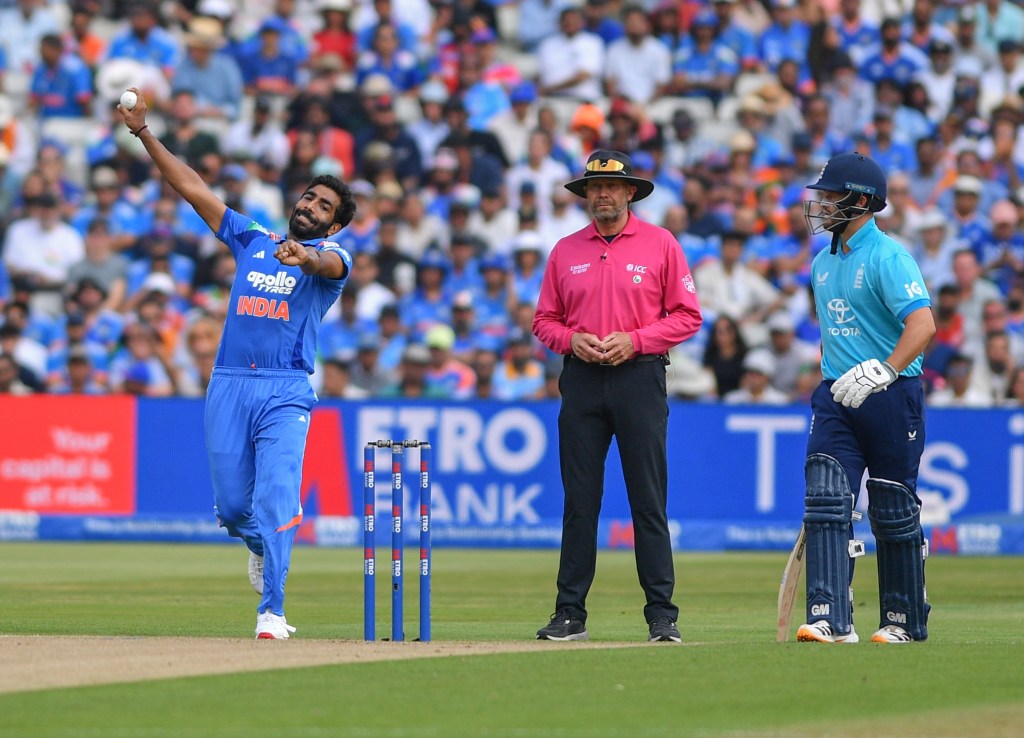
Gurnoor Brar, after an expensive start, struck twice in the same over to remove both openers, and Jasprit Bumrah, on his first ball of the next over, had Harry Brook caught to claim his 150th ODI wicket.
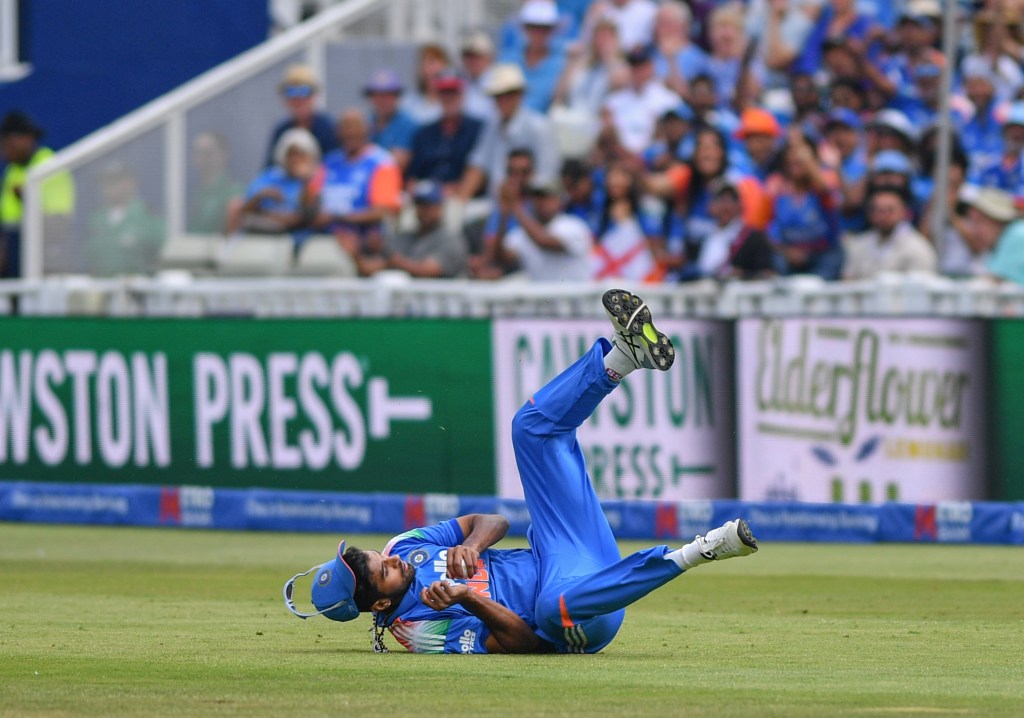
In the space of a few minutes, England slumped from 69/2 to 64/3, then 63/4 as Duckett also fell, and the momentum swung firmly towards India.
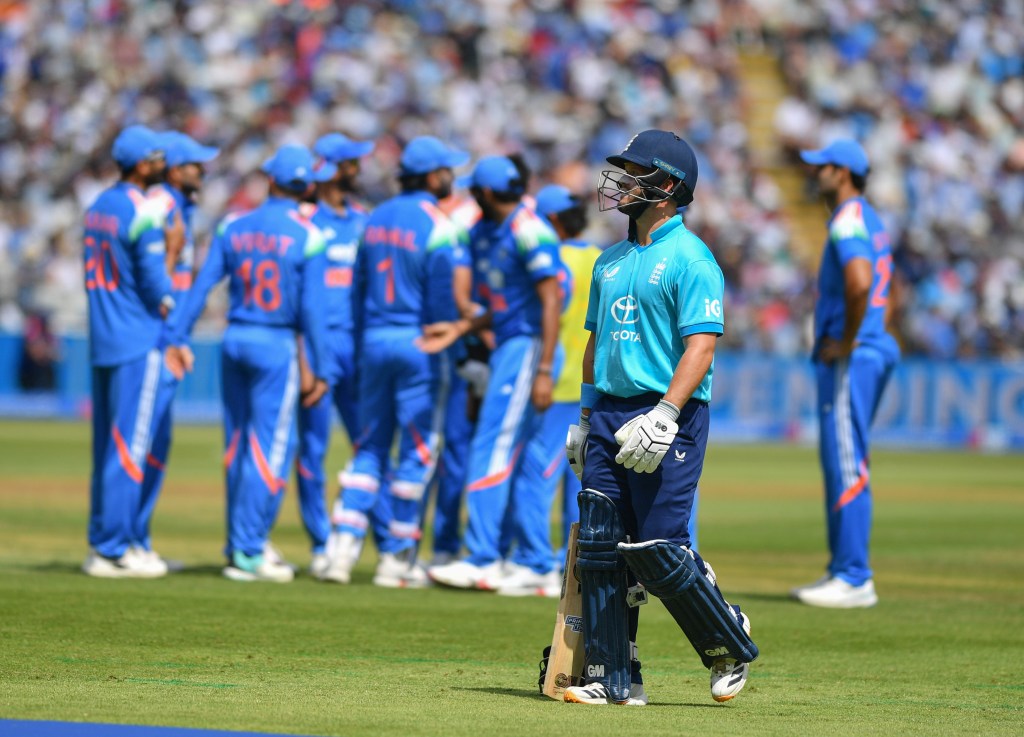
From that point, England never quite recovered. Joe Root and Jos Buttler tried to steady the innings, but wickets kept falling at regular intervals. Prasidh Krishna and Axar Patel chipped in with tight spells, while Bumrah continued to bowl the crucial overs with his usual metronomic accuracy.
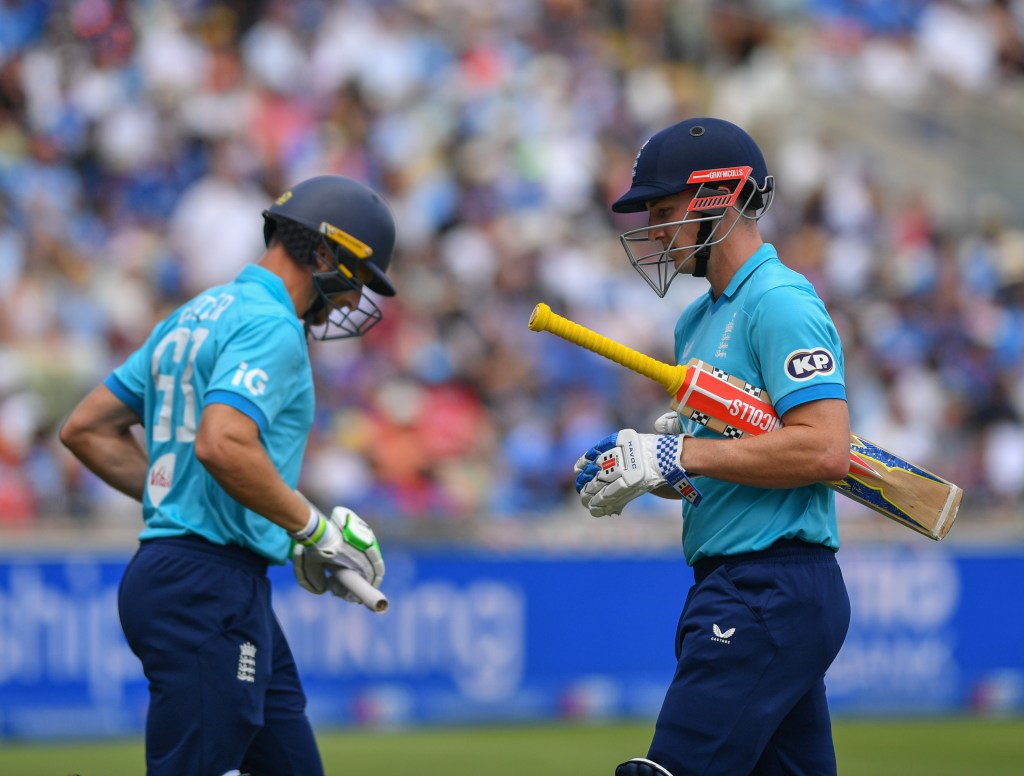
England’s total of 258 all out in 47.5 overs felt competitive on paper, but on a good batting surface, it was always going to be within reach if India’s top order fired. Liam Dawson’s late cameo gave England some respectability, but the damage had already been done in that middle-phase collapse.
India’s chase began shakily. Rohit Sharma and Virat Kohli got starts, but both fell inside the first 10 overs, leaving India at 48/2.
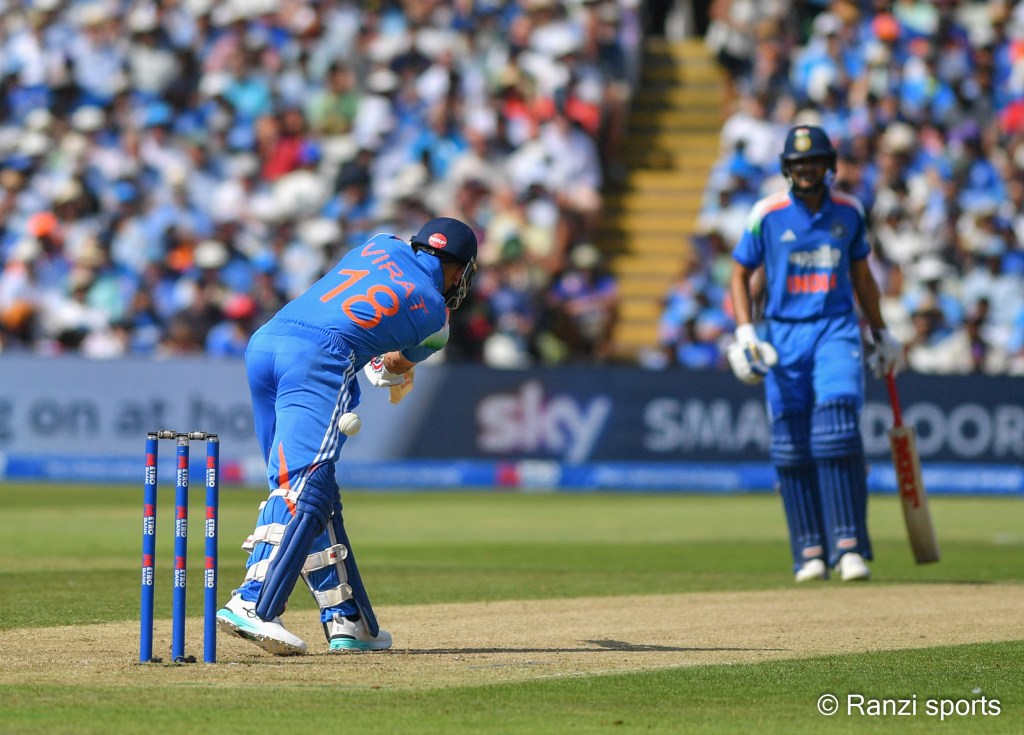
The real foundation of the innings was laid by Shubman Gill and Shreyas Iyer. Gill, batting with intent, raced to 80 off 75 balls before cramps in his right foot forced him to retire hurt at 157/3 – a blow to India’s plans, but also a sign of how hard he was pushing the tempo. Iyer, playing a classic accumulator’s innings, held one end together, finding the gaps and keeping the scoreboard moving without taking undue risks.
The finishing touches came from the lower middle order. KL Rahul, promoted up in the order, played a composed knock, but it was Axar Patel who truly changed the complexion of the chase.
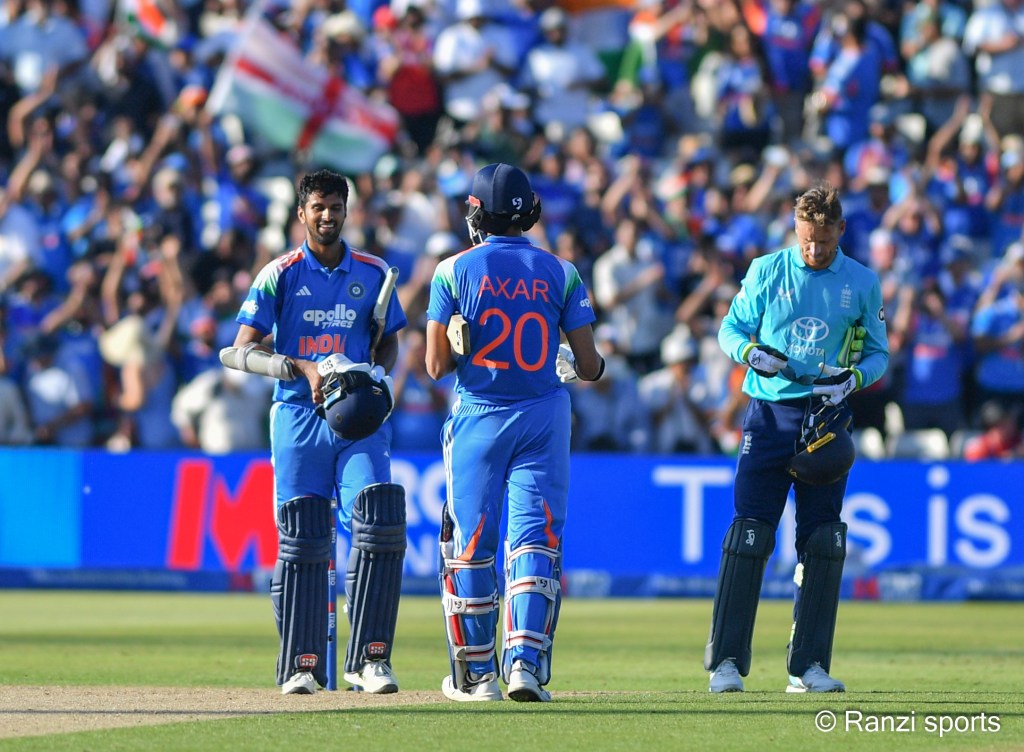
Coming in with India still needing runs at a manageable but not trivial rate, Axar smashed 56 off just 51 balls, mixing clean strokeplay with smart running. His partnership with Washington Sundar (46 off 62) took the game away from England, ensuring that even after Iyer’s dismissal, there was never a real scare. India reached 262/4 in 45.2 overs, sealing the win with more than four overs to spare.

For India, this was a complete team performance. Bumrah’s early breakthroughs and control set the tone, Brar’s double-strike broke England’s momentum, and Axar’s all-round contribution – crucial runs when the chase needed acceleration – earned him a strong claim to be named player of the match. For England, the middle-order collapse after a promising start will be the big talking point, as will their inability to contain India’s spinners in the middle overs.
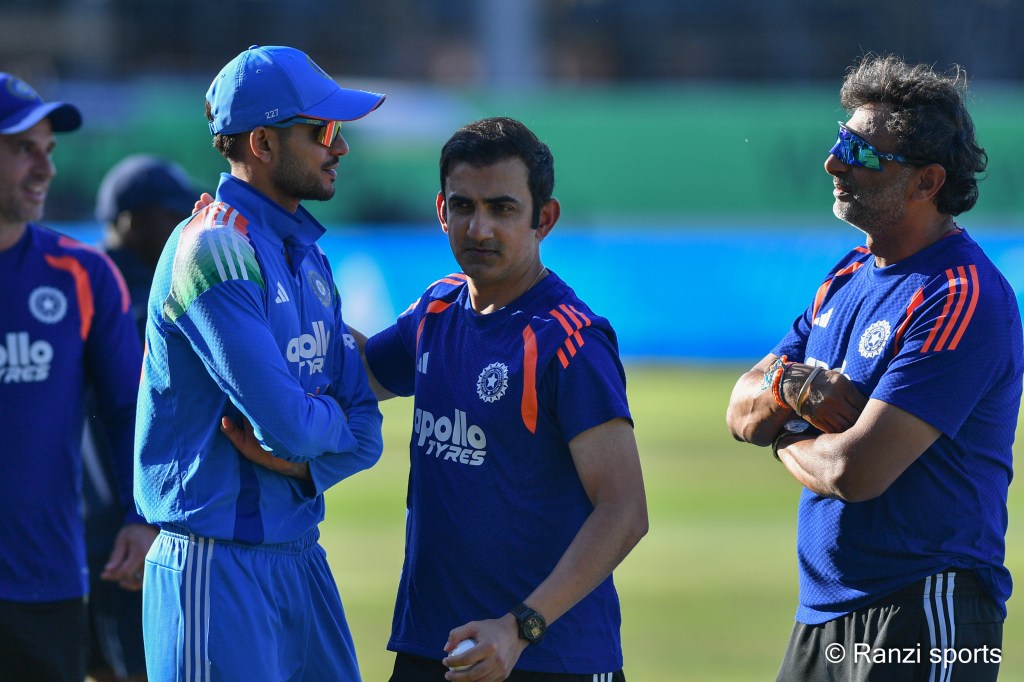
In a series where margins are likely to be thin, India have shown they can out-execute England in the key phases – and at Edgbaston, that was enough to end a long wait for an ODI win at this venue.


Leave a Reply