
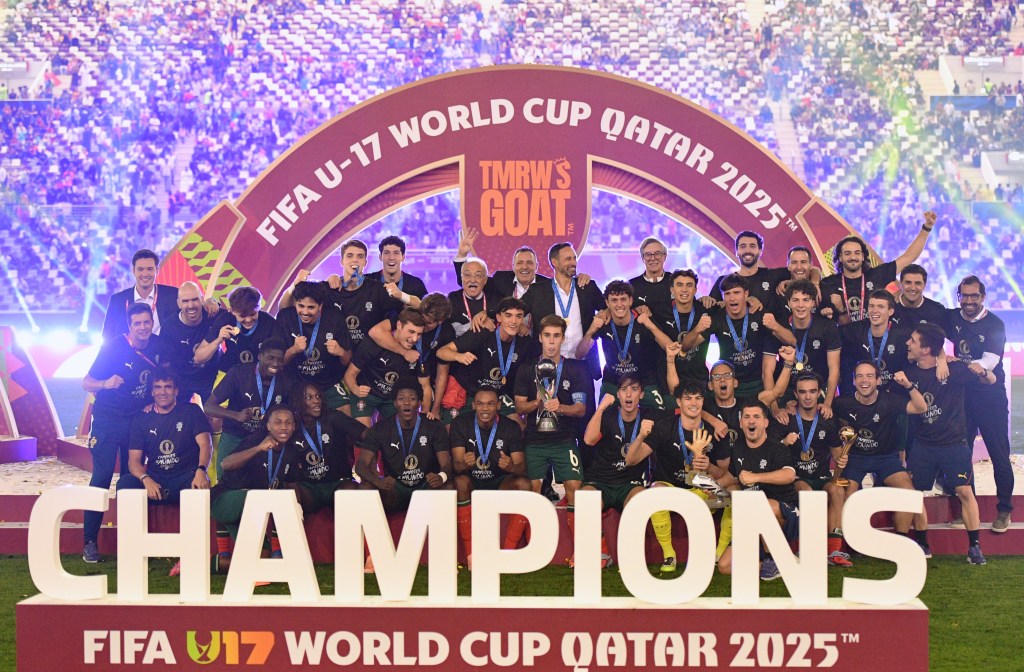
Portugal has clinched its first-ever FIFA U-17 World Cup title with a narrow 1-0 victory over Austria in a highly competitive final held at the Khalifa International Stadium in Doha, Qatar. The winning goal came in the 32nd minute from Anísio Cabral, who finished off a well-executed move with calm precision, marking his seventh goal of the tournament. This triumph caps a remarkable six-month period for the Portuguese team, which had also secured the UEFA European U-17 Championship earlier in the year. The victory underscores Portugal’s emergence as a powerhouse in youth football, showcasing a blend of technical skill, tactical intelligence, and mental resilience under the guidance of coach Bino Maçães.

The final match itself was a tense and closely fought encounter. Both teams demonstrated tactical maturity despite their young age, with Austria pressing aggressively and Portugal controlling possession intelligently. Austria, appearing in their first-ever men’s World Cup final, applied consistent pressure, particularly after halftime, but were repeatedly denied by Portugal’s disciplined defense and goalkeeper Romário Cunha. The Austrian side had their moments, including a late shot from substitute Daniel Frauscher that hit the post, highlighting how finely balanced the contest was. However, Portugal’s ability to maintain composure and manage the game’s tempo ultimately secured their slim advantage.
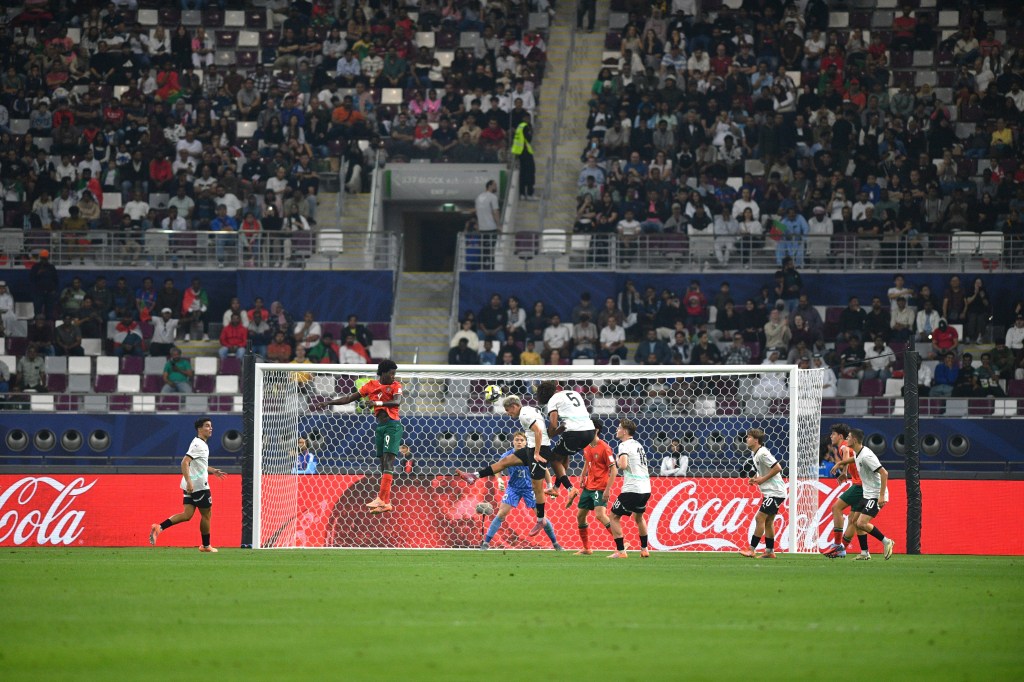
Portugal’s gameplay throughout the tournament was characterized by fluid attacking combinations and robust defensive organization. Key contributions came from players like Duarte Cunha and Mateus Mide, who played crucial roles in building the team’s attacks and maintaining midfield control. The coaching staff’s strategic substitutions, such as bringing on wingers Yoan Pereira and João Aragão in the second half, helped reinforce the team’s structure when under pressure.

Their path to the final was marked by consistent performances, including a dramatic penalty shootout win over Brazil in the semifinals, reflecting a squad with self-belief and cohesion.
The victory also highlights the strength of Portugal’s youth development system. The players’ technical abilities, tactical awareness, and physical preparedness indicate years of investment in youth academies and coaching infrastructure. Coach Bino Maçães, who was part of Portugal’s youth team in 1989, praised his players for their hard work and stated that this achievement places this generation at the highest level possible. The tournament itself, expanded to 48 teams and hosted in Qatar, was hailed as a “football festival” by football figures including Arsène Wenger, emphasizing its role in encouraging global football federations to enhance their youth development programs.
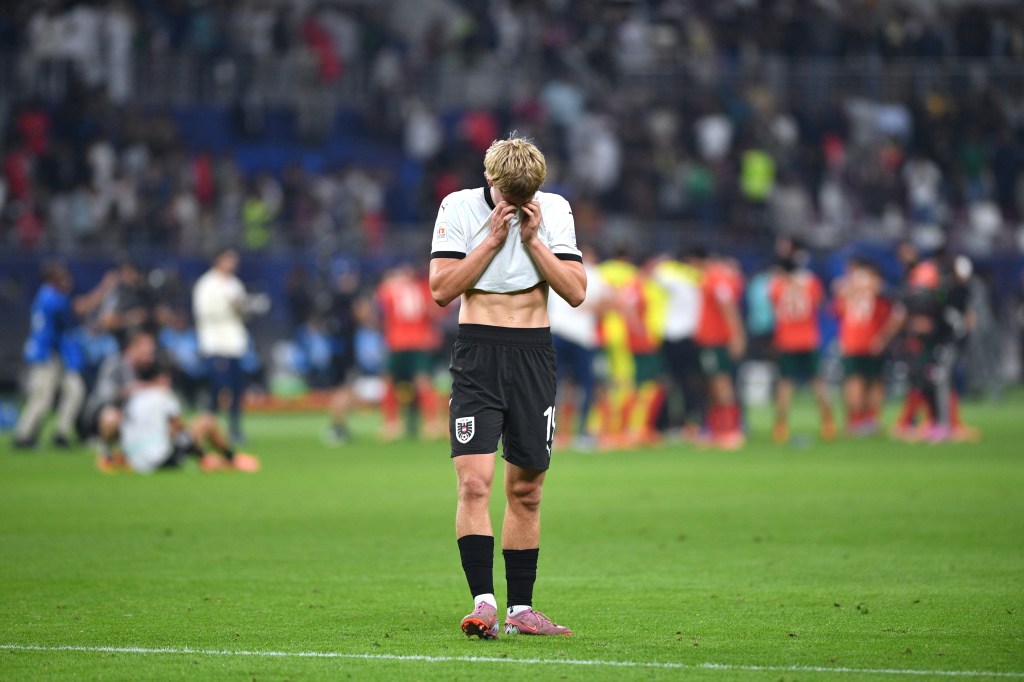
For Austria, reaching the final and producing the tournament’s top scorer, Johannes Moser, who scored eight goals, is a significant achievement that signals progress in their footballing infrastructure. Despite the defeat, Austria showed they can compete with Europe’s elite and will take valuable lessons from this campaign.
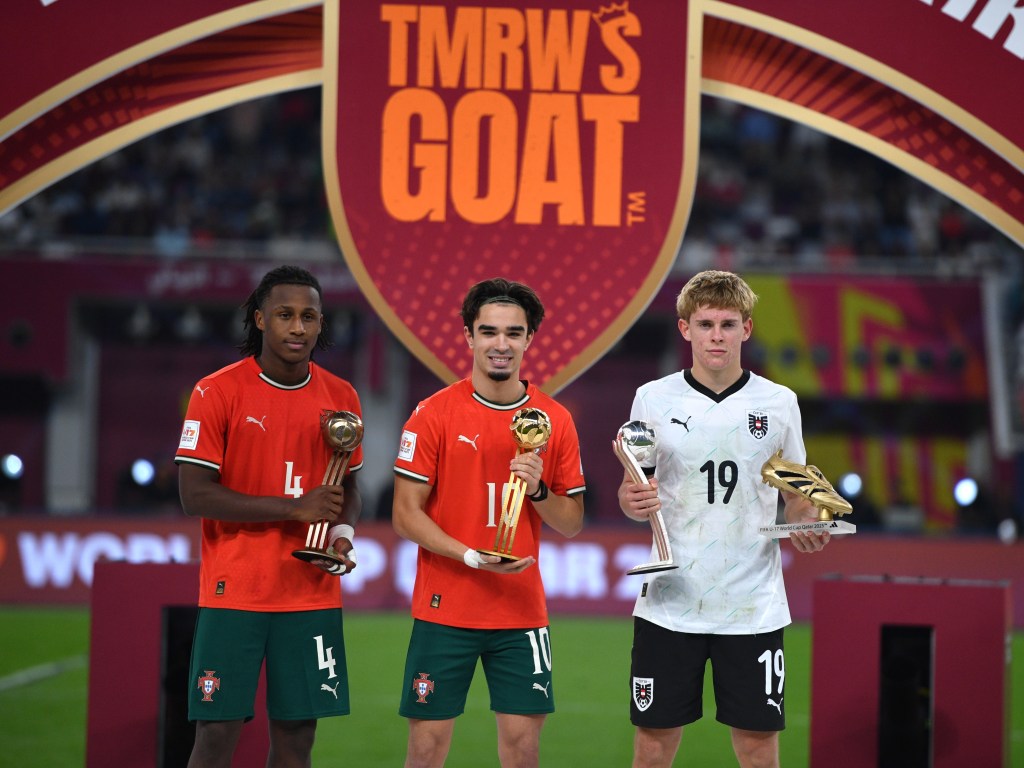
Overall, the 2025 FIFA U-17 World Cup in Qatar was a showcase of emerging global talent, with European nations occupying the top three positions. Portugal’s win in Doha not only marks a historic milestone for the country but also sets a benchmark for future generations of young footballers worldwide, emphasizing the importance of youth development and international experience in shaping football’s future stars.

This victory will be remembered as a defining moment for Portuguese football and a testament to the power of dedication, strategy, and teamwork at the youth level.
 Ranzi Sports
Leave a comment